
Storage Tank Water Heaters: Repair, Replace, or Upgrade?
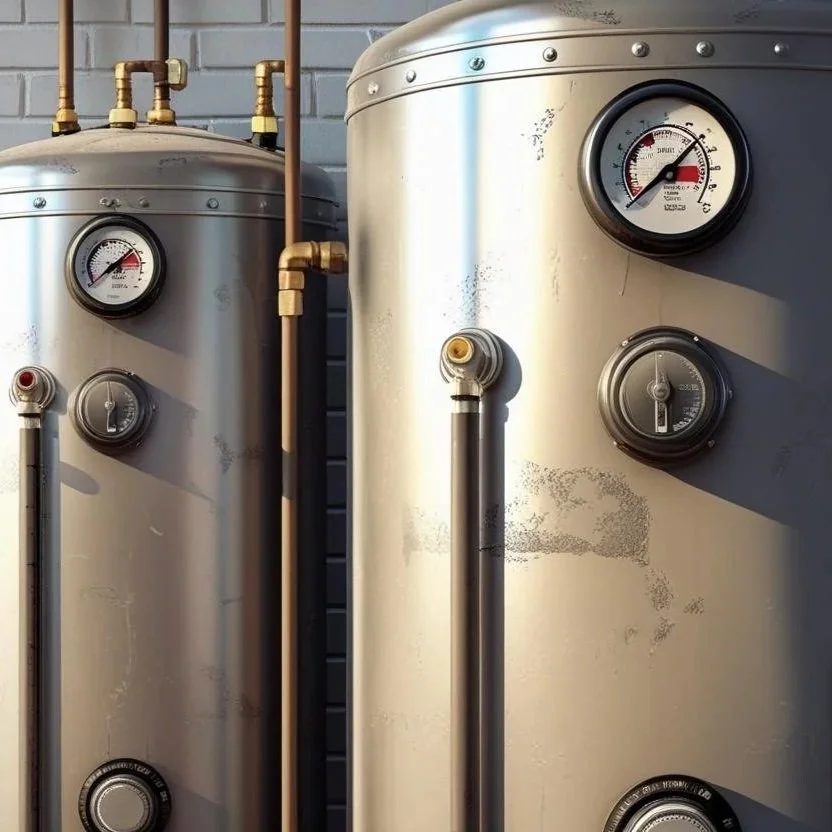
When things start going sideways—rusty water, cold showers, rumbling tanks—the big question becomes: is it time to repair, replace, or upgrade?
Conventional storage tank water heaters work hard behind the scenes. They’re the heroes of showers, dishwashers, and late-night laundry loads. But even heroes wear out. When things start going sideways—rusty water, cold showers, rumbling tanks—the big question becomes: is it time to repair, replace, or upgrade?
Unusual Sounds That Don’t Belong In The Utility Room
Water heaters are not percussion instruments. Popping, banging, or rumbling usually means sediment buildup inside the tank. As heat tries to pass through the crusty layer at the bottom, trapped steam bubbles start creating all kinds of racket.
Flushing the tank might bring temporary relief, but when sediment becomes a recurring villain, it starts to show that repair won’t fix it long-term. If your water heater starts sounding like it’s practicing for a drum solo, it may be time to consider replacement.
Temperature Fluctuations That Keep You Guessing
When the hot water turns cold halfway through a shower—or starts out icy before finally warming up—the system is trying to keep up and losing the race. It might be a faulty thermostat, failing heating elements, or a dying dip tube.
Repairs are possible in early stages, but when temperature inconsistency becomes a habit, or parts keep failing one after the other, it may be more cost-effective to upgrade to a modern storage tank system that offers better reliability and efficiency.
Rusty Water And Corroded Tanks
Water should never come out looking like it ran through a toolbox. If hot water starts taking on a reddish hue, internal corrosion is likely underway. That usually means the tank’s protective lining has given up the fight, and now the steel walls are rusting.
Once rust appears inside a tank, repair is off the table. Replacing the anode rod is effective only before corrosion begins to eat through. Professional technicians recommend replacement at this stage to prevent full-on tank failure and a flood nobody asked for.
Leaks That Refuse To Stay Sealed
A few drops under the heater might not seem urgent, but leaks tend to grow teeth. If the leak’s coming from fittings or valves, a repair might do the trick. But when the tank itself is weeping, especially around the base, it’s usually from internal cracks caused by years of thermal stress.
Technicians check the source first. But once the tank starts breaking down from within, replacement becomes the only safe route. A new system not only stops the leaks but also helps avoid water damage, mold, and floor repairs.
Frequent Repairs That Add Up Fast
One repair here and there is no big deal. But when the water heater becomes a regular on your plumber’s speed dial, it starts turning into a money pit. Replacing thermostats, heating elements, and valves repeatedly can begin to rival the cost of a brand-new unit.
When repairs pile up and downtime becomes routine, professionals often recommend stepping off the repair treadmill. A complete replacement eliminates the hassle and brings in modern features, better energy performance, and far fewer service calls.
Outdated Systems That Drain Energy And Patience
Older conventional storage tank water heaters can be surprisingly inefficient. They constantly reheat water, even when no one’s using it, leading to energy loss known as standby heat loss. If the unit is more than a decade old, it’s probably eating more power than necessary.
Technicians use energy ratings and fuel usage comparisons to spot inefficiencies. A professional upgrade to a newer storage tank model—or even a hybrid—can shrink monthly utility bills and cut energy waste without sacrificing performance.
Limited Hot Water Supply That Leaves You Shivering
Cold water halfway through a shower isn’t just inconvenient. It’s a sign the tank may not be meeting your household’s needs. Sediment buildup reduces usable space. Aging heating elements recover more slowly. And a small tank can’t keep up with high demand.
Instead of squeezing another year out of an underperforming tank, technicians may recommend upgrading to a larger capacity or switching to a high-efficiency model with faster recovery. The result is longer showers, happier mornings, and no more racing to be first in line.
Visible Wear That Signals It’s Time
Sometimes, the signs are right on the outside. Rust on the base. Discoloration near the temperature-pressure relief valve. Moisture around fittings. When a water heater looks like it’s been through a decade of battle, chances are it has. And it’s tired.
Professionals recognize when visual wear means internal decline. Replacement offers a clean slate. Newer units are smaller, better insulated, and far more appealing than a rusty tank that belongs in a scrapyard.
Safety Concerns From Aging Parts
Conventional water heaters that are decades old may not meet modern safety codes. Old gas valves, missing earthquake straps, failing pressure relief valves, or poor ventilation setups all raise red flags.
Technicians performing safety inspections often recommend replacing outdated systems with units that include updated components. New installations also bring the home up to code and reduce risk, especially in areas prone to seismic activity or where gas leaks are a concern.
High Recovery Time That Slows Down Daily Life
Older tanks take longer to heat water after it runs out. Recovery time stretches, and the heater struggles to match demand. That means doing dishes has to wait until after the laundry finishes—or worse, until the tank has had a full hour-long nap.
New conventional storage tank water heaters are faster, leaner, and better at multitasking. Upgrading brings a noticeable change in performance, cutting wait time and letting the whole household use hot water without coordinating like a military operation.
Utility Bill Spikes That Don’t Match Usage
When bills creep up without a change in habits, it’s time to look at the appliances behind the scenes. Water heaters account for a big chunk of monthly utility costs. If the tank’s insulation is failing or the elements are working overtime, the energy drain shows up as dollar signs.
Technicians track heating efficiency with diagnostic tools and review long-term cost comparisons. An upgrade often pays for itself over time, especially when the old system is struggling to maintain a mediocre status.
Household Changes That Shift Hot Water Needs
Growing families, new bathrooms, or extended guests can all stretch a water heater beyond its intended capacity. If your household has outgrown your system, adding a larger conventional storage tank or pairing it with a booster keeps comfort levels steady.
Rather than pushing an old tank past its limit, professionals look at current and projected usage to recommend systems sized for your life today—not your life ten years ago.
Strange Odors From The Hot Water Tap
Hot water that smells off—metallic, sour, or sulfur-like—may be a sign of bacterial buildup inside the tank or a worn-out anode rod reacting with the water supply. If flushing doesn’t solve the issue, and replacing the rod doesn’t work, it’s time to consider a full system swap.
A replacement tank with a different anode configuration, along with proper venting and water treatment, brings hot water back to clean, odor-free status without mystery smells lurking in the pipes.
Code Violations Or Insurance Pushback
If your water heater setup no longer meets local building codes, or if your insurer raises concerns about its age, location, or lack of safety features, professionals usually recommend a full upgrade. Violations can delay property sales, raise insurance premiums, or even void coverage after damage.
Installing a new system brings peace of mind and compliance. Professionals handle the permits, plumbing, and testing, making sure everything is up to code and up to the task.
When faced with signs of trouble, deciding whether to repair, replace, or upgrade a conventional storage tank water heater comes down to performance, safety, and long-term value. If the tank still has life left and the problem is isolated, a targeted repair may do the trick. But when inefficiency, age, and inconvenience start stacking up, replacement turns into the smarter move. Upgrading offers better insulation, faster recovery, lower energy bills, and features that weren’t even on the table when the old system was installed. And when professionals handle the job, everything runs smoothly.