Furnace Services
Arrange furnace diagnosis, maintenance or replacement planning for the equipment at your property. Confirm the service scope and current written terms.
What Is Professional Furnace Services in Northern Virginia?
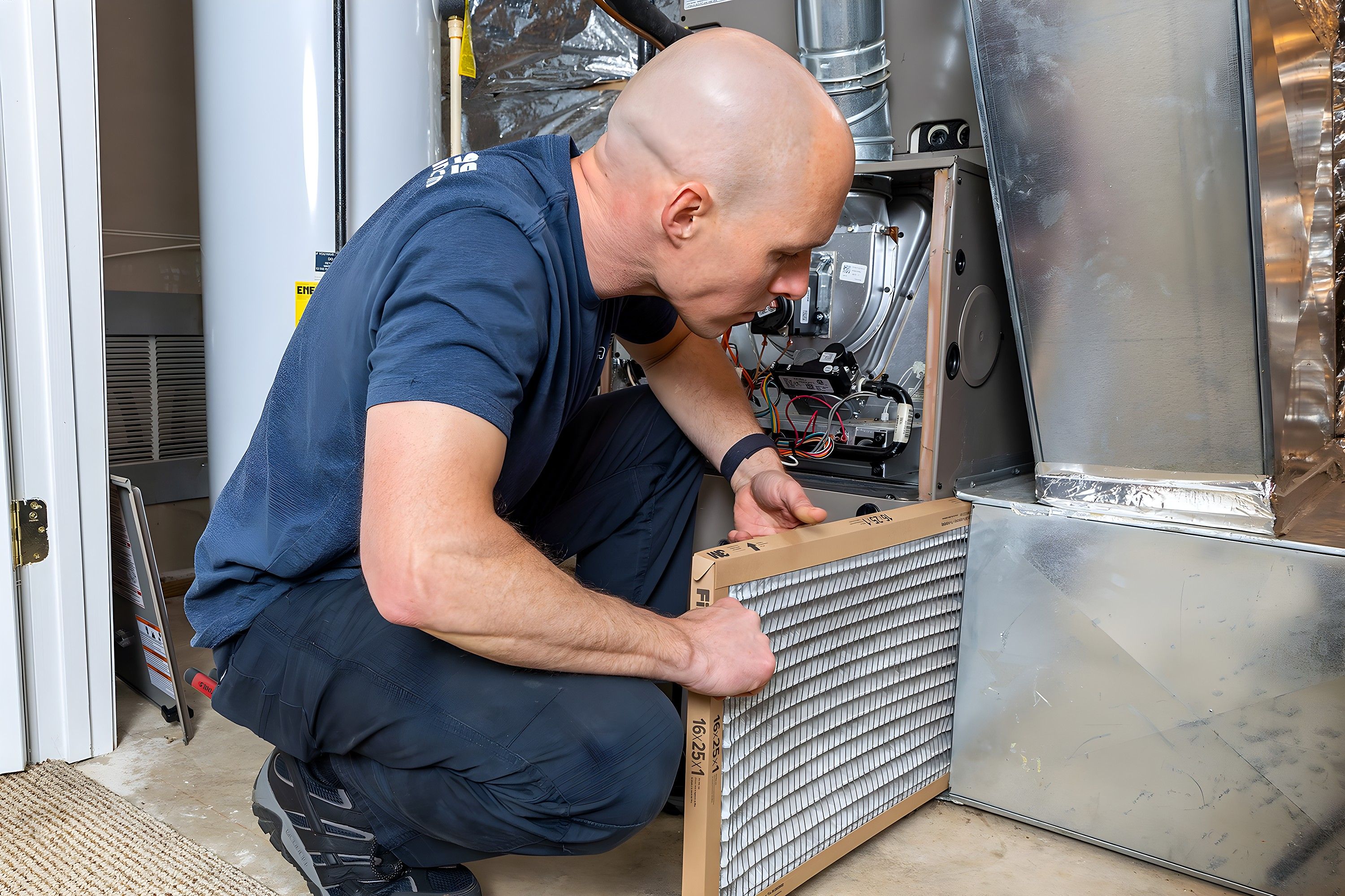
Furnace service can mean preventive care, diagnosis of a fault or planning replacement of gas or electric equipment. Identify which you need when contacting AF1. Provide the model and fuel type if known, explain the symptoms and keep previous findings available. An equipment label or building age alone cannot diagnose why the home is not heating correctly.
For fall maintenance, discuss the installed equipment and any unresolved heating issue from the previous season. ENERGY STAR recommends preseason heating checks. Ask which tasks the appointment includes and whether an active fault requires separate diagnosis. An agreement’s benefits and price must come from current terms rather than a general description of furnace care.
For replacement, request a scope that identifies equipment, controls and any supporting work. Ask which jurisdiction and approval requirements apply to the property. Keep repair and installation choices separate, with written prices and warranty terms. Confirm availability directly rather than assuming a standard completion time for every furnace request.
Jim, Owner & Licensed HVAC Contractor since 2021
What Is Furnace Services?
Furnace services include preventive care, fault diagnosis and replacement planning for furnace equipment. The installed system and requested scope determine the work.
What's Included in Furnace Services?
Furnace Diagnosis
Describe operating concerns without trying to identify a failed internal component. Ask how the findings support the recommended work.
Preventive Care
Follow equipment instructions and confirm the appointment checklist. National guidance does not establish an AF1 contract.
Replacement Discussion
Ask how the proposed furnace and supporting work fit the home. Review controls, connections and approval responsibilities.
Reasons to Discuss Furnace Services
Heating Stops
Report the behavior and any displayed message. Request the appropriate service visit.
Comfort Varies
Describe affected spaces and known changes to the home. Ask for an assessment before deciding on equipment size.
Planning Future Care
Keep the manufacturer instructions and service record available when arranging maintenance.
Compare Furnace Service Choices
| Feature | Repair | Replacement |
|---|---|---|
| Starting evidence | Diagnosis of current fault | Assessment and installation scope |
| Related work | Confirm components included | Identify retained connections and controls |
| Terms | Read repair coverage | Read model and labor coverage |
How Does Furnace Services Work?
Identify the Need
Describe no heat, uneven comfort or a maintenance request. Include the furnace information if available.
Confirm Visit Scope
Ask whether the appointment is preventive care or fault diagnosis and how additional work is approved.
Review the Findings
Request an explanation tied to the reported problem and a written scope for proposed repairs or replacement.
Keep Equipment Records
Retain findings, completed work and applicable warranty or project documents for later service.
Planning Furnace Services
Heating Concerns Described
List affected rooms and when symptoms appear. Those observations help explain the request without diagnosing hidden components.
Repair Compared With Installation
Keep written scopes separate and ask what each resolves. Confirm retained components in a replacement proposal.
Current Agreement Checked
If you have a plan, mention it and confirm what the requested visit includes. Do not assume parts or repairs are covered.
Where Do We Offer Furnace Services?
How Much Does Furnace Services Cost?
Every furnace services project is different. Use our free instant estimate tool for a quick price range, or contact us for a detailed in-home assessment. We provide honest, upfront pricing with no hidden fees.
Furnace installation with Air Force One runs $3,800 to $13,500, depending on your home's size and the equipment tier you choose.
| Home size | Reliable | Recommended | Premium |
|---|---|---|---|
| Under 1,500 sq ft | $3,800–$5,500from $99/mo with approved credit | $5,000–$7,200from $129/mo with approved credit | $6,200–$9,000from $159/mo with approved credit |
| 1,500 - 2,500 sq ft | $4,200–$6,200from $109/mo with approved credit | $5,500–$8,000from $139/mo with approved credit | $7,000–$10,200from $179/mo with approved credit |
| 2,500 - 3,500 sq ft | $5,000–$7,200from $119/mo with approved credit | $6,500–$9,500from $159/mo with approved credit | $8,200–$11,800from $199/mo with approved credit |
| Over 3,500 sq ft | $5,800–$8,200from $139/mo with approved credit | $7,500–$11,000from $179/mo with approved credit | $9,500–$13,500from $219/mo with approved credit |
Payments shown: 0% APR for 60 months, $0 down, with approved credit.
Furnace repair with Air Force One runs $150 to $3,500, depending on what needs fixing.
| Repair | Typical work | Price |
|---|---|---|
| Minor | Ignitor replacement, thermocouple repair, flame sensor cleaning, or fuse replacement | $150–$500 |
| Moderate | Blower motor replacement, control board repair, gas valve replacement, or inducer motor fix | $500–$1,500 |
| Major | Heat exchanger replacement, complete burner assembly, or major gas line repair | $1,500–$3,500 |
The diagnostic fee is $99 Monday–Friday, 8 AM–6 PM, and $225 outside those hours, weekends and holidays. Repairs are priced separately after diagnosis.
What Are Common Questions About Furnace Services?
Can I request furnace maintenance when there is an active fault?
What should I ask about furnace replacement?
Will a new furnace guarantee lower bills?
Can AF1 repair my furnace brand?
Do you service propane and oil furnaces and boilers?
How should I distinguish the furnace from the rest of the heating system?
What should a furnace maintenance agreement say about my equipment?
How should I evaluate a furnace replacement recommendation after service?
How much does furnace service cost?
Which HVAC Brands Should You Compare?
Choosing the right brand matters. See how Bryant compares to other top HVAC manufacturers on efficiency, reliability, warranties, and price.
What Other HVAC Services Do We Offer?
Heating Repair
Heating repair for a system that will not start, uneven room temperatures or an intermittent fault.
Heating Installation
Plan a furnace or heat pump replacement around the heating needs of your home.
HVAC Maintenance
Arrange preventive care for the heating and cooling equipment at your home.
Ready to Get Started on Your Project?
Get a free instant estimate for furnace services in Northern Virginia. Air Force One has been serving the region since 2021. Licensed, insured, and ready to work.