Heating Repair
Heating repair for a system that will not start, uneven room temperatures or an intermittent fault. Request service from Air Force One and describe the equipment and the problem at your property.
What Is Professional Heating Repair in Northern Virginia?
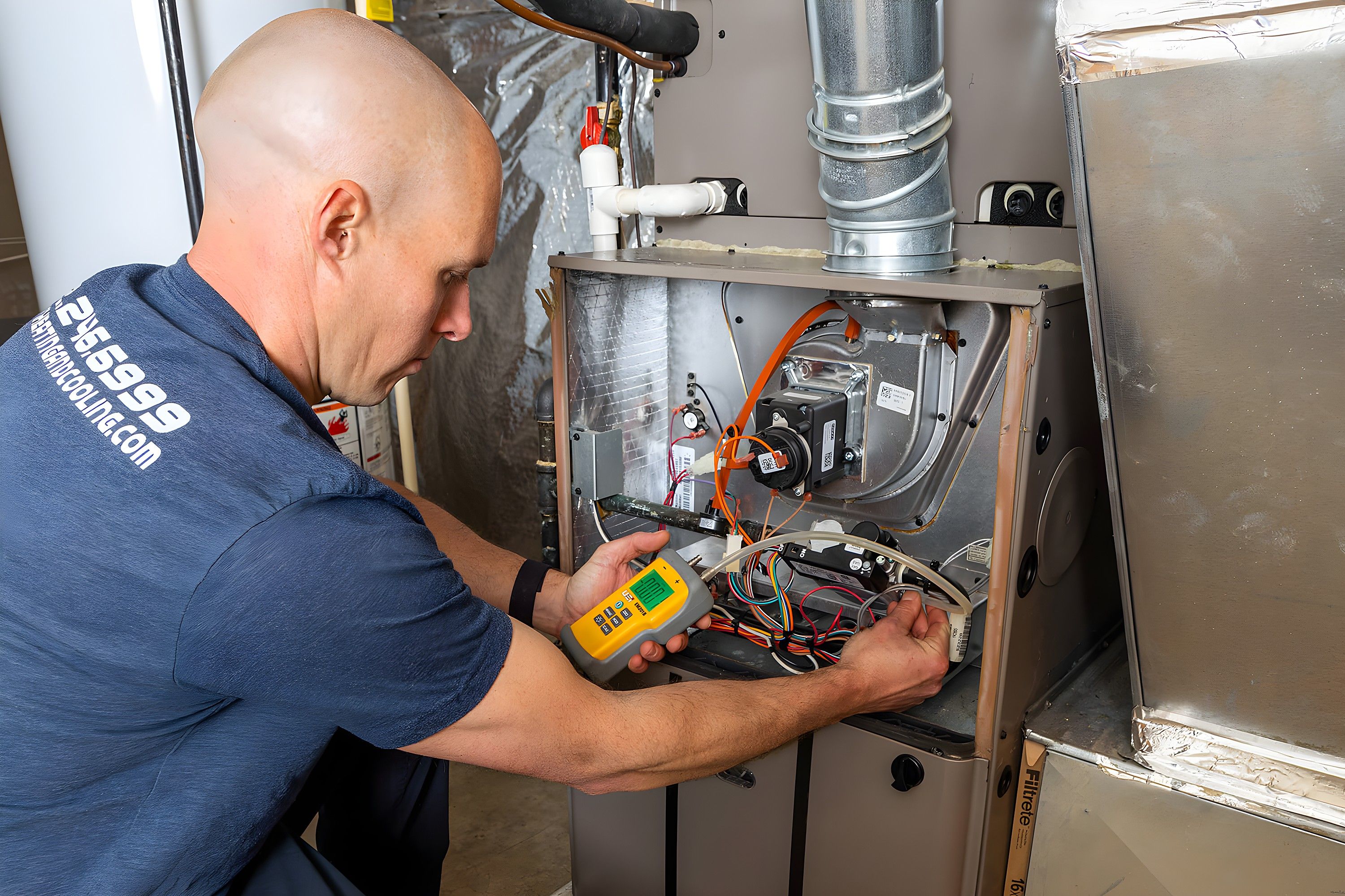
A heating repair request starts with what you have noticed. Is the whole home cold, or is one room affected? Does the fault appear at startup or only occasionally? Share the thermostat message and any previous service records when requesting help. These details give the technician a starting point without requiring you to open the equipment or identify the failed part.
The installed equipment determines the diagnostic questions. A fuel-burning furnace and a heat pump need different checks. Tell AF1 what is installed, where it is located and whether any rooms or controls have changed. For a property with building management or shared access, confirm who can authorize the work. If repair leads to a replacement proposal, establish the address jurisdiction before discussing project approvals. A Manassas mailing address does not by itself distinguish city property from Prince William County property.
Use the service route for an active fault and explain if the home has no heat. Ask for diagnostic pricing, current availability and the proposed repair scope. An installation estimate remains a separate choice. Keep the findings with your equipment records so a future maintenance visit or replacement discussion can start with what was observed.
Jim, Owner & Licensed HVAC Contractor since 2021
What Is Heating Repair?
Heating repair involves identifying a fault in the installed heating system and carrying out the agreed correction. The diagnosis determines which equipment checks, components and operating tests are appropriate. Describe the symptoms and distinguish the needed work from preventive maintenance or a replacement estimate.
What's Included in Heating Repair?
Furnace Faults
Describe ignition trouble, loss of heat or irregular operation. Confirm the furnace type and request a diagnosis before deciding which components need repair.
Heat Pump Heating Problems
Explain whether the concern appears only in heating mode or also during cooling. Note any thermostat message and discuss the installed backup-heat arrangement.
Ignition Concerns
Report what you observed without opening the equipment. The technician needs to establish the fault before recommending an ignition component or other repair.
Airflow and Room Comfort
Identify affected rooms and changes in normal airflow. Ask how the proposed repair addresses that pattern rather than assuming every cold room has the same cause.
Thermostat and Controls
Provide the displayed setting and any fault message. Ask whether the problem involves controls, equipment or another part of the system before replacing the thermostat.
Reasons to Request Heating Repair
No heat when requested
Report the thermostat setting and what the system does when heat is requested. An observation from normal use is enough to begin the call.
A fault that comes and goes
Record when the issue occurs, any displayed message and recent service. Ask for diagnosis rather than guessing the failed component.
Rooms that stay uncomfortable
Identify the affected rooms and changes after alterations to the home. Ask how the diagnosis addresses that concern.
Unfamiliar sounds
Describe where and when you hear the sound. Avoid opening equipment or changing controls to reproduce it.
Repeated service visits
Gather previous repair records and identify which symptoms returned. Compare the new recommendation with completed work.
Compare Service and Replacement Requests
| Feature | Existing equipment service | Replacement planning |
|---|---|---|
| Starting point | Installed equipment, reported symptoms and previous service | Home requirements and the proposed equipment changes |
| Written scope | Preventive care or the diagnosed repair | Equipment selection and supporting installation work |
| Price | Confirm appointment scope and any separate repair quote | Compare proposals with equivalent scope |
| Existing components | Identify what is checked or repaired | Identify what is retained, replaced or modified |
| Written terms | Review the coverage for the agreed service | Review equipment and installation labor coverage separately |
How Does Heating Repair Work?
Describe the Heating Problem
Call (202) 246-6999 or request service online. Tell us if the home has no heat and provide the equipment type, property address and any thermostat message.
Confirm the Appointment
Confirm availability and access arrangements directly. Ask whether the visit covers diagnosis and how repair work is quoted once the fault is identified.
Discuss the Diagnosis
Ask which findings explain the symptoms. The checks needed for a fuel-burning furnace differ from those for an electric furnace or heat pump.
Review the Repair Scope
Request the proposed correction and price before approving work. If replacement is also discussed, keep that estimate separate so the two scopes are clear.
Confirm Parts and Work
Ask which components the repair includes, whether parts need ordering and what written terms apply. The diagnosis determines the work and expected timing.
Keep the Service Record
Request a record of the completed work and any outstanding findings. Ask which operating checks were performed and what to do if the symptom returns.
Questions to Settle Before Heating Repair
A Diagnosis You Can Review
Ask for the finding to explain the heating problem you reported. A clear diagnosis makes the proposed repair easier to assess.
Separate Repair and Replacement Choices
Compare the repair findings with a replacement estimate when both are options. Request the reason for each recommendation.
Equipment-Specific Checks
Ask which safety and operating checks apply to your heating equipment. Do not assume every system needs an identical inspection.
Written Repair Terms
Request the parts and labor terms for the proposed work, including any exclusions and the process for reporting a recurring problem.
Clear Appointment Scope
Confirm what the diagnostic visit includes and what requires separate approval. Discuss an active no-heat problem when requesting service.
Records for Future Service
Keep the repair record and equipment details together. Previous findings help frame later maintenance and repair discussions.
Where Do We Offer Heating Repair?
How Much Does Heating Repair Cost?
Every heating repair project is different. Use our free instant estimate tool for a quick price range, or contact us for a detailed in-home assessment. We provide honest, upfront pricing with no hidden fees.
Heating repair with Air Force One runs $150 to $3,500, depending on what needs fixing.
| Repair | Typical work | Price |
|---|---|---|
| Minor | Ignitor replacement, thermocouple repair, flame sensor cleaning, or fuse replacement | $150–$500 |
| Moderate | Blower motor replacement, control board repair, gas valve replacement, or inducer motor fix | $500–$1,500 |
| Major | Heat exchanger replacement, complete burner assembly, or major gas line repair | $1,500–$3,500 |
The diagnostic fee is $99 Monday–Friday, 8 AM–6 PM, and $225 outside those hours, weekends and holidays. Repairs are priced separately after diagnosis.
What Are Common Questions About Heating Repair?
What should I report when my heater is not working?
How much does heating repair cost in Northern Virginia?
Can I arrange same-day heating repair?
Should I repair or replace my heating system?
What should I ask about repair warranties?
Can AF1 work on my heating equipment?
What Other HVAC Services Do We Offer?
Heating Installation
Plan a furnace or heat pump replacement around the heating needs of your home.
Furnace Services
Arrange furnace diagnosis, maintenance or replacement planning for the equipment at your property.
HVAC Maintenance
Arrange preventive care for the heating and cooling equipment at your home.
Ready to Get Started on Your Project?
Get a free instant estimate for heating repair in Northern Virginia. Air Force One has been serving the region since 2021. Licensed, insured, and ready to work.