Heating Installation
Plan a furnace or heat pump replacement around the heating needs of your home. Request an Air Force One installation estimate that addresses equipment, supporting work and the comfort problems you want to resolve.
What Is Professional Heating Installation in Northern Virginia?
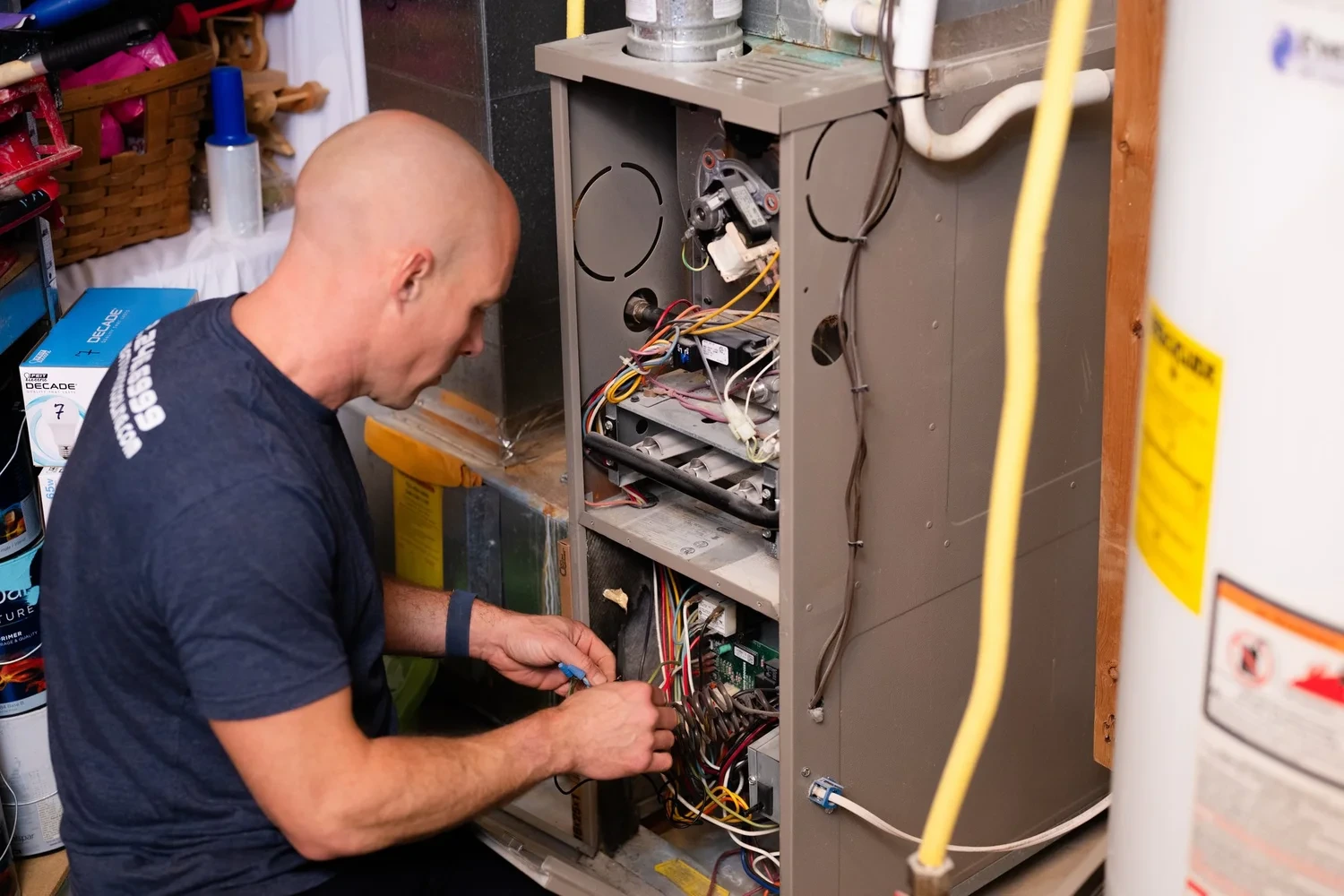
A heating installation decision starts with the home and the work proposed. Tell AF1 which system you have, what has been repaired and which rooms are uncomfortable. Include additions or changes to room use. ENERGY STAR recommends a home load calculation when sizing replacement equipment. Ask how the proposed capacity was established before comparing model names or equipment prices.
An estimate should explain the whole project. Identify the equipment to be removed, the equipment proposed and the existing ducts or controls that will stay. A change in heating type can raise questions about electrical supply, fuel connections or venting. Equipment relocation adds access and property questions. Ask which supporting work is included. Prince William County guidance distinguishes fuel-fired replacement from specified electric replacements. Confirm the property jurisdiction and actual scope before relying on an approval rule.
Use the installation estimate route for replacement planning. If the existing system has an active fault, mention it and ask whether a repair visit should come first. Confirm equipment availability and the expected interruption to heating once the scope is known. Request current payment options and the actual equipment and labor warranty documents. Compare proposals that identify the same work.
Jim, Owner & Licensed HVAC Contractor since 2021
What Is Heating Installation?
Heating installation is the work needed to put a selected heating system into service at a property. A replacement project may include equipment removal and changes to connections or controls. The written proposal should identify sizing, supporting work, applicable approvals and the checks required for the installed model.
What's Included in Heating Installation?
Furnace Replacement Planning
Review the existing fuel supply and the proposed furnace. Ask which connections, venting and controls require work and whether that work is included in the estimate.
Heat Pump Installation Planning
Discuss heating and cooling needs together. Request equipment selection and sizing information plus details of any backup-heat arrangement included in the proposal.
Electric Heating Options
Confirm the existing electrical setup and what the proposed equipment requires. Request a separate description of any supporting work needed before installation.
Ductwork Scope
Ask whether ducts will be retained, repaired or changed. Ductwork modifications should be identified in the proposal rather than assumed to be included with equipment replacement.
Control Compatibility
Ask which thermostat and controls are included and how they work with the proposed equipment. Confirm any optional control upgrades and their cost separately.
Reasons to Request Heating Installation
Comparing repeated repairs
Bring the current diagnosis and repair history. Request a separate installation estimate so each option has an identifiable scope.
Changes to the home
Describe additions or changes to room use. Ask whether the heating assessment reflects the home as it is now.
Unresolved comfort
Identify affected rooms and conditions. Discuss how the proposed work addresses them before selecting equipment.
Comparing heating types
Review the existing setup and supporting work each option requires. Energy-use comparisons should state their assumptions.
Planning ahead
Review equipment records before an urgent replacement becomes necessary. Confirm availability when ready to proceed.
Compare Service and Replacement Requests
| Feature | Existing equipment service | Replacement planning |
|---|---|---|
| Starting point | Installed equipment, reported symptoms and previous service | Home requirements and the proposed equipment changes |
| Written scope | Preventive care or the diagnosed repair | Equipment selection and supporting installation work |
| Price | Confirm appointment scope and any separate repair quote | Compare proposals with equivalent scope |
| Existing components | Identify what is checked or repaired | Identify what is retained, replaced or modified |
| Written terms | Review the coverage for the agreed service | Review equipment and installation labor coverage separately |
How Does Heating Installation Work?
Request an Installation Estimate
Provide the property address, existing equipment and comfort goals. Mention changes to the home and any current heating fault so the estimate addresses the actual project.
Assess Heating Needs
Ask how the proposed capacity was established. ENERGY STAR recommends a home load calculation for replacement sizing instead of relying only on the existing equipment label.
Compare Equipment and Scope
Review the equipment, controls and related work in each proposal. Ask what remains from the existing system and which changes are required for the new installation.
Confirm Property Requirements
Identify the property jurisdiction and any applicable approval requirements. Fuel type, relocation and supporting-system changes can affect the scope. Confirm responsibility for required approvals in writing.
Arrange Installation
Confirm equipment availability, access and the expected schedule. Request the plan for removal of old equipment and any period when heating will be unavailable.
Review Completion Checks
Ask which manufacturer-specified setup and operating checks were completed. Keep the equipment details and applicable inspection records with the installation paperwork.
Retain Written Terms
Request equipment and labor warranty terms, registration responsibilities and operating instructions. Confirm any maintenance requirements directly from the documents for the installed system.
Questions to Settle Before Heating Installation
Written Labor Coverage
Request the labor warranty for this installation, including duration, exclusions and how to arrange covered service.
Equipment Warranty Details
Read the manufacturer terms for the selected model. Confirm registration responsibility and any deadlines rather than assuming all equipment has identical coverage.
Current Payment Options
Ask AF1 about current payment or financing options. Request the actual rate, repayment terms and approval conditions before relying on an offer.
A Property-Specific Proposal
Compare the installation scope with your home’s layout and comfort needs. Another property’s equipment choice does not settle yours.
Approval Responsibilities
Confirm the applicable jurisdiction and which approvals the project needs. Have the proposal identify who handles each required step.
Comparable Estimates
Keep required work separate from optional upgrades. Compare proposals with equivalent scope and written terms before deciding.
Where Do We Offer Heating Installation?
How Much Does Heating Installation Cost?
Every heating installation project is different. Use our free instant estimate tool for a quick price range, or contact us for a detailed in-home assessment. We provide honest, upfront pricing with no hidden fees.
Heating installation with Air Force One runs $3,800 to $13,500, depending on your home's size and the equipment tier you choose.
| Home size | Reliable | Recommended | Premium |
|---|---|---|---|
| Under 1,500 sq ft | $3,800–$5,500from $99/mo with approved credit | $5,000–$7,200from $129/mo with approved credit | $6,200–$9,000from $159/mo with approved credit |
| 1,500 - 2,500 sq ft | $4,200–$6,200from $109/mo with approved credit | $5,500–$8,000from $139/mo with approved credit | $7,000–$10,200from $179/mo with approved credit |
| 2,500 - 3,500 sq ft | $5,000–$7,200from $119/mo with approved credit | $6,500–$9,500from $159/mo with approved credit | $8,200–$11,800from $199/mo with approved credit |
| Over 3,500 sq ft | $5,800–$8,200from $139/mo with approved credit | $7,500–$11,000from $179/mo with approved credit | $9,500–$13,500from $219/mo with approved credit |
Payments shown: 0% APR for 60 months, $0 down, with approved credit.
What Are Common Questions About Heating Installation?
How much does heating installation cost in Northern Virginia?
Which heating system should I choose for my home?
How long will installation take?
Can I finance a heating installation?
What warranty comes with a new heating system?
Will replacement reduce my energy bill?
Which HVAC Brands Should You Compare?
Choosing the right brand matters. See how Bryant compares to other top HVAC manufacturers on efficiency, reliability, warranties, and price.
What Other HVAC Services Do We Offer?
Heating Repair
Heating repair for a system that will not start, uneven room temperatures or an intermittent fault.
AC Installation
Plan AC replacement around your home, cooling needs and the complete installation scope.
Heat Pump Services
Heat pump repair, maintenance and replacement planning for heating and cooling.
Ready to Get Started on Your Project?
Get a free instant estimate for heating installation in Northern Virginia. Air Force One has been serving the region since 2021. Licensed, insured, and ready to work.