
It's 6 AM on a Tuesday in January, and your house feels like a refrigerator. You stumble to the thermostat, and it reads 58 degrees even though you set it to 72 last night. Your furnace is making that low humming sound, but no warm air is coming through the vents. Sound familiar? This scenario plays out in thousands of Northern Virginia homes every winter, and most homeowners immediately think they need an expensive repair call.
Here's the reality: about 40% of furnace problems can be solved with basic troubleshooting that takes less than 20 minutes. The other 60% require professional help for safety reasons. Knowing which category your problem falls into can save you hundreds of dollars and hours of discomfort. I've been fixing furnaces in Northern Virginia for 20 years, and I've seen the same handful of issues cause 90% of service calls during heating season.
This guide walks you through the most common furnace problems, the fixes you can safely attempt yourself, and the warning signs that mean you need to call a professional immediately. Let's get your heat back on.
What Are the Most Common Furnace Problems?
The majority of furnace issues fall into five categories: thermostat problems, airflow restrictions, ignition failures, electrical issues, and gas supply problems. These account for roughly 85% of the repair calls I handle during peak heating season in Northern Virginia.
Thermostat malfunctions cause about 30% of "no heat" complaints. Your furnace might be working perfectly, but if the thermostat isn't communicating properly, you won't get heat. Common signs include the thermostat display going blank, temperature readings that don't match the actual room temperature, or the system not responding when you adjust the settings.
Airflow problems are the second most common issue. A clogged air filter can reduce airflow by up to 50%, causing your furnace to work harder and potentially overheat. When a furnace overheats, it automatically shuts down as a safety measure. You'll notice weak airflow from vents, the furnace cycling on and off frequently, or rooms that never quite reach the set temperature.
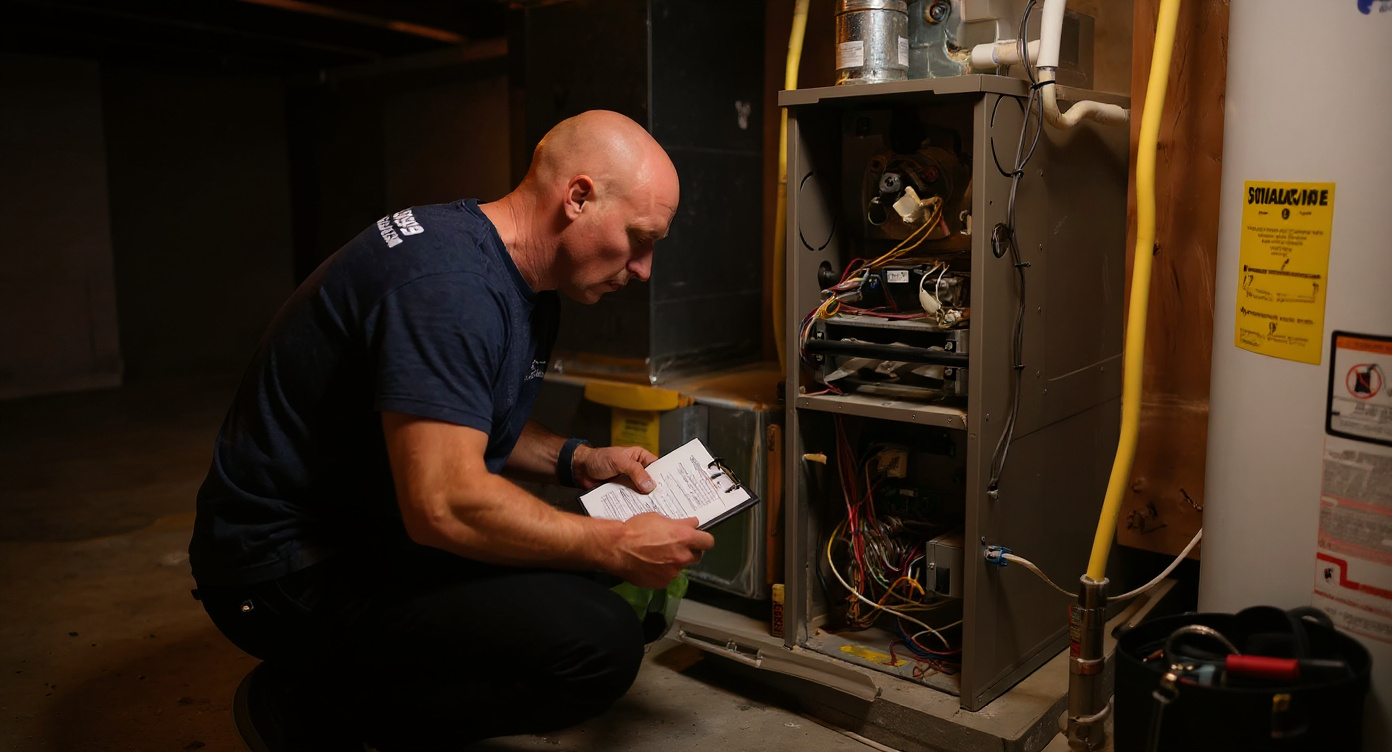
Ignition system failures affect gas furnaces specifically. Older furnaces use pilot lights that can blow out, while newer models use electronic ignition systems that can malfunction. If your furnace runs but produces no heat, or if you hear the blower running without feeling warm air, you likely have an ignition problem.
Electrical issues range from tripped circuit breakers to faulty wiring connections. These problems often cause the entire system to stop working. Gas supply issues, while less common, can occur due to closed gas valves or problems with the gas line itself.
Which Furnace Problems Can You Fix Yourself?
You can safely handle basic maintenance issues, simple thermostat problems, and minor airflow restrictions without professional help. These DIY fixes work for about 40% of furnace problems and can get your heat running again within minutes.
Start with the simplest solution: check your thermostat settings and replace your air filter. Set the thermostat to "heat" mode and raise the temperature at least 5 degrees above the current room temperature. If you have a programmable thermostat, make sure it's not in a scheduled "away" period. Replace the air filter if it looks dirty or hasn't been changed in the last three months. A clean filter can immediately improve airflow and system efficiency.
Next, inspect your circuit breaker panel. Furnaces typically use a 15-20 amp breaker that can trip during power surges or system overloads. Look for any switches in the "off" position or halfway between on and off. If you find a tripped breaker, turn it fully off, then back on. Wait five minutes before testing your furnace.
Check that your furnace power switch is in the "on" position. This switch looks like a regular light switch and is usually located on or near the furnace. It's surprisingly common for this switch to get bumped to the off position during routine basement activities. Also verify that all supply and return vents throughout your house are open and unblocked by furniture, curtains, or other items.
For gas furnaces, you can also check that the gas valve near the unit is fully open. The handle should be parallel to the gas pipe, not perpendicular. However, if you smell gas at any point during these checks, stop immediately and call a professional.
When Should You Call a Professional Immediately?
Contact a professional immediately if you smell gas, hear unusual noises from the furnace, or if your carbon monoxide detector activates. These situations present immediate safety risks that require expert attention, not DIY troubleshooting.
Gas odors around your furnace indicate a potential leak in the gas line, connections, or heat exchanger. Natural gas is odorized with a "rotten egg" smell specifically to alert you to leaks. If you detect this odor, turn off the gas supply to your furnace, ventilate the area, avoid using electrical switches or creating sparks, and call both your gas company and an HVAC professional immediately.
Strange noises often signal mechanical problems that require professional diagnosis. Loud banging, grinding, or squealing sounds can indicate issues with the blower motor, belt, or other internal components. A cracked heat exchanger might produce a rattling sound, which is particularly dangerous because it can allow carbon monoxide to enter your home's air supply.
Carbon monoxide detector alarms are emergency situations. Carbon monoxide is colorless and odorless, making it impossible to detect without proper equipment. A malfunctioning furnace can produce dangerous levels of carbon monoxide. If your detector sounds, evacuate your home immediately, call 911, and don't return until emergency personnel clear your home as safe.
You should also call a professional if your DIY troubleshooting steps don't resolve the problem, if the furnace keeps cycling on and off repeatedly, or if some rooms in your house aren't heating properly despite the system running. These symptoms often indicate more complex issues with ductwork, system sizing, or internal components that require professional equipment to diagnose and repair.
How Do You Find Reliable Local Furnace Repair?
Research local contractors through online reviews, licensing verification, and referrals from neighbors who have used their services recently. A reliable furnace repair company should have proper licensing, insurance, and a track record of responding quickly during heating emergencies.
Start by checking online reviews on Google, Yelp, and Angie's List, but focus on recent reviews that describe experiences similar to your needs. Look for patterns in reviews rather than isolated complaints or praise. Pay attention to comments about response time, pricing transparency, and whether the technicians fixed the problem correctly the first time.
Verify that any contractor you're considering has proper licensing for HVAC work in Virginia. Licensed technicians have the training to safely work with gas lines, electrical systems, and refrigerants. They also carry insurance that protects you if something goes wrong during the repair. Ask to see proof of licensing and insurance before allowing any work to begin.
Get referrals from neighbors, friends, or coworkers who have had furnace work done recently. Personal referrals are often more reliable than online reviews because you can ask specific questions about the experience. Find out how quickly the company responded, whether they provided accurate estimates, and if the repair held up over time.
When you call potential contractors, pay attention to how they handle your initial inquiry. Professional companies answer their phones promptly, ask relevant questions about your problem, and provide clear information about their service process. Companies that offer same-day service during heating emergencies demonstrate their commitment to customer comfort and safety.
What's the Complete Furnace Troubleshooting Process?
Follow this systematic approach: check power and settings first, then airflow and filters, followed by gas supply verification, and finally call for professional help if the problem persists. This process eliminates the most common issues before you spend money on a service call.
Begin your troubleshooting with electrical and setting checks:
- Thermostat Verification: Set the thermostat to "heat" mode and raise the temperature 5 degrees above current room temperature. Replace batteries if you have a battery-powered model.
- Circuit Breaker Check: Locate the furnace breaker in your electrical panel and ensure it hasn't tripped. Reset it if necessary.
- Power Switch Inspection: Confirm the furnace power switch is in the "on" position.
- Safety Switch Check: Ensure all furnace access panels are properly closed, as safety switches prevent operation when panels are open.
Next, address airflow and filter issues:
- Filter Replacement: Remove and inspect your air filter. Replace it if dirty or overdue for replacement.
- Vent Inspection: Walk through your home and verify all supply and return vents are open and unblocked.
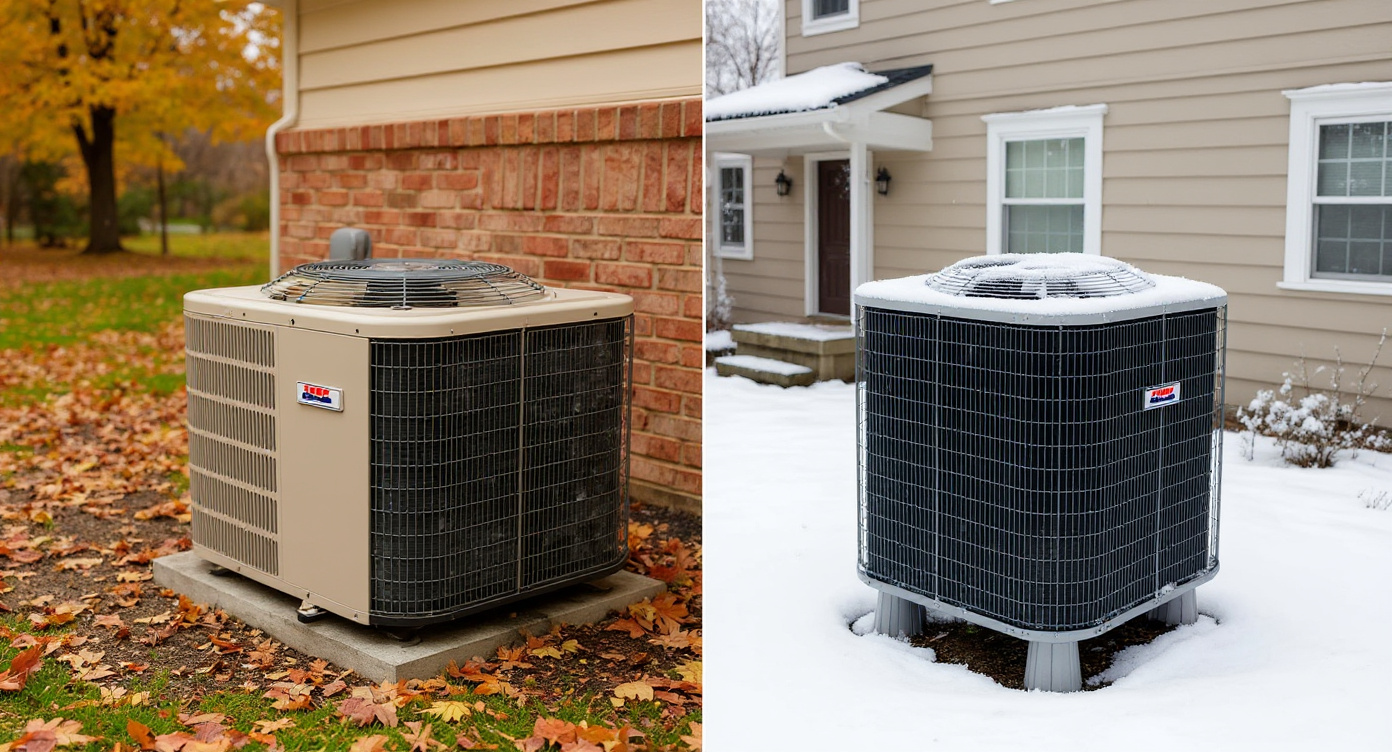
- Outdoor Unit Check: For heat pump systems, ensure the outdoor unit isn't blocked by snow, ice, or debris.
For gas furnaces, carefully check the gas supply. Verify the gas valve handle is parallel to the pipe, indicating the "open" position. If you smell gas at any point, stop troubleshooting and call a professional immediately.
If these steps don't restore heat within 30 minutes, contact a professional. Continuing to operate a malfunctioning furnace can cause additional damage and create safety hazards.
Why Choose Air Force One Heating & Cooling?
Real people answer our phones on the first ring, and we provide honest, upfront pricing without surprises or upsells. When your furnace stops working, you don't have time to sit on hold or wonder if you're getting a fair deal.
Our technicians have 20 years of experience working specifically in Northern Virginia's climate and housing types. We understand the unique challenges of heating older Colonial homes, newer townhouses, and everything in between. This local knowledge means faster diagnosis and more effective repairs that last.
We offer one-hour appointment windows with on-time arrival, so you won't waste your entire day waiting for a repair technician. Our 5-year labor warranty and 10-year equipment warranty give you confidence that your repair will hold up. If something goes wrong with our work, we'll return and fix it at no charge.
For major repairs or system replacements, we provide 0% financing for 25 months, making it easier to restore comfort to your home without breaking your budget. We're also a Bryant Authorized Dealer, giving us access to high-quality replacement parts and factory support for complex repairs.
The Bottom Line
Here's what matters: Most furnace problems fall into predictable categories, and about 40% can be resolved with basic troubleshooting. Check your thermostat, replace dirty filters, and verify power connections before calling for service. However, never ignore gas odors, strange noises, or carbon monoxide alarms.
Need HVAC help? Call Jim directly at (202) 246-6999. Real people answer the phone. Or get a free estimate online.
Frequently Asked Questions
How often should I replace my furnace filter? Replace standard 1-inch filters every 1-3 months depending on usage and household factors. Homes with pets, smokers, or family members with allergies need more frequent changes. Thicker filters (4-5 inches) can last 6-12 months but check them quarterly.
Why does my furnace keep cycling on and off? Short cycling usually indicates airflow problems, thermostat issues, or an oversized system. Start by replacing the air filter and ensuring all vents are open. If the problem continues, professional heating repair services can diagnose more complex causes like heat exchanger problems or incorrect system sizing.
Is it normal for my furnace to make noise when starting up? Some noise during startup is normal, especially with older systems. However, loud banging, grinding, or squealing sounds indicate potential problems with the blower motor, belt, or other components that need professional attention.
What should I do if my furnace produces heat but not enough? Insufficient heat output often results from dirty filters, blocked vents, or ductwork problems. After checking these basics, the issue might be undersized ductwork, a failing blower motor, or a system that's too small for your home's heating needs.
How can I prevent future furnace problems? Schedule annual professional maintenance, replace filters regularly, keep vents clear, and address small issues before they become major problems. Annual tune-ups can prevent up to 80% of heating system failures and extend your furnace's lifespan significantly.
Get Your Free Instant Estimate
Find out what your HVAC project will cost in 60 seconds. No obligation, no pressure.